DRIVING WITH GPS
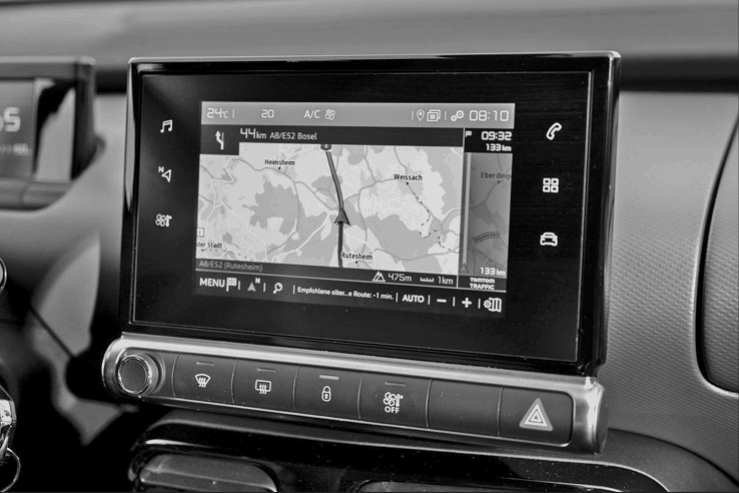
Millions of people all over the world use GPS (Global Positioning System) to find their way from one place to another. Taxis and buses have used GPS for several years. Today, most new cars have GPS but if your car doesn't have it, you can buy it in many stores.(lines 1–6)
Before GPS was available, drivers needed to prepare carefully before going to a new place. They had to ask someone to tell them the best way to get there, or use a map to plan the trip. In addition, while they were driving, they had to pay attention to street names and landmarks, like buildings. Today, however, when someone wants to go somewhere, they just enter the name or address of the place into the GPS. Then, by simply following the directions, they arrive there easily.(lines 7–13)
However, some people claim that using this technology might have a negative effect on our memory. Dr. Sharon Davis of Pittsmouth University is studying the effects of GPS on the memory of drivers who use it frequently. In her first experiment, she sent 35 drivers without GPS to a place they had never been to before. When they returned, she asked them questions about their trip and 28 of the drivers were able to report many details. They remembered interesting landmarks they saw along the way, such as a popular restaurant and a beautiful park. Then Dr. Davis sent the drivers to a second new place. This time they had to use GPS. When they returned, she again asked them to report details of their trip. The result was that most of them remembered very few details from the second trip.(lines 14–21)
Does GPS really affect our memory? After this experiment, Dr. Davis does not know yet. "But," she says, "one thing is clear: drivers who use GPS pay less attention to the things around them while they are driving so they remember much less as well." Dr. Davis is planning more studies to find out if there is a connection between using GPS and the memory of drivers.(lines 22–25)